

Heat Pump Not Heating or Blowing Cold Air? What to Check First
Heat pump or mini-split blowing cool air this winter? See what normal defrost looks like, five checks to do yourself, and when to call a technician.
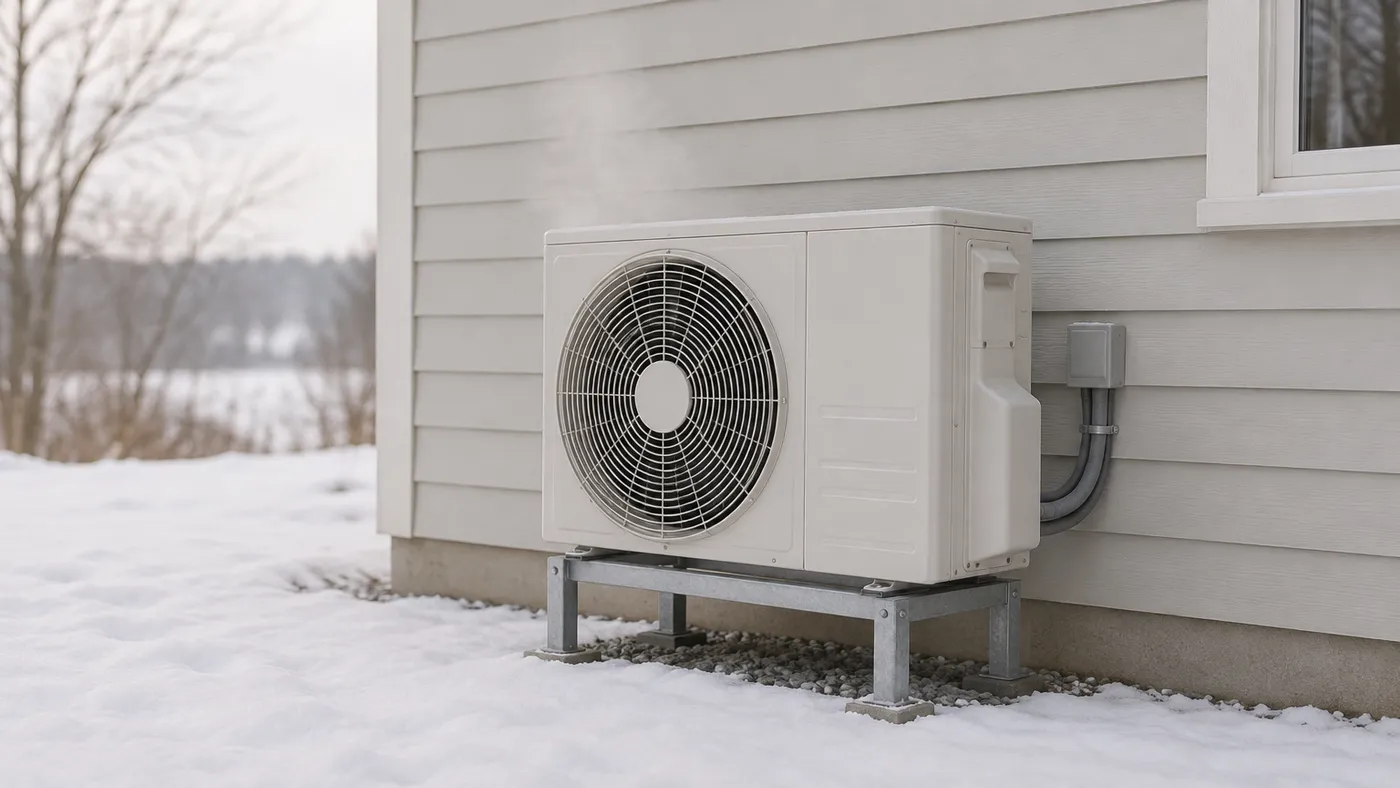
It's a cold evening, the heat pump is running, and the air coming out of the vents or the wall unit feels cool. Before you panic, let's walk through what might be happening.
Most of the time, a heat pump that seems not to be heating is doing something normal: running a defrost cycle, delivering air that is warm but not furnace-hot, or following a setting such as Auto mode. Sometimes it is a real fault, and a few minutes of checks will tell you which. This applies to ducted heat pumps and ductless mini-splits alike.
The short version
- Cool air for a few minutes, with steam rising outside, is usually the defrost cycle. It is normal.
- Heat pump air often runs around 90 to 110°F. It can feel cool on your hand and still heat the room.
- Use Heat mode in winter, not Auto, and hold one steady temperature.
- Clean filters and an outdoor unit clear of snow drifts solve many winter complaints.
- Cool air long after defrost, growing ice, or a room that keeps losing temperature needs a technician.
Is it just the defrost cycle?
In winter, frost builds up on the outdoor coil. Every so often the heat pump reverses for a few minutes to melt it. Every air-source heat pump does this.
Normal defrost looks and sounds like this: the outdoor fan may stop, you may hear a swoosh, and a cloud of steam can rise from the unit. It is water vapor, not smoke.
While it defrosts, the heat pump is not heating, so the air inside can feel cooler for a short time. With backup heat, you may see AUX on the thermostat. Defrost usually takes 3 to 5 minutes.
So the first check is simple: wait a few minutes and feel the air again.
How warm should the air from a heat pump feel?
Warmer than the room, but not as hot as you may expect if you grew up with a furnace.
The air coming off the coil of a properly installed heat pump is about 90 to 110°F. Furnace air is hotter, so heat pump air can feel lukewarm at the vent even when the system is working well.
A better test is the room. Is it holding the temperature you set? The best gauge is simple: are you still warm enough?
On a mini-split, the temperature sensor sits inside the indoor unit, high on the wall, where the air is warmer. You may need to set it a little higher than a wall thermostat.
What can you check yourself before you call?
1. Set the mode to Heat, not Auto
In Auto, a heat pump switches between heating and cooling on its own, so on a sunny winter afternoon it can start cooling. In winter, use Heat. Dry and Fan modes do not heat.
2. Hold one steady temperature
Heat pumps work best holding a temperature, not climbing back from a big setback, so a morning catch-up can feel slow and cool. Turn it down only if you will be away for more than 24 hours.
3. Clean or change the filters
A clogged filter chokes the airflow, and weak airflow feels like weak heat. Mini-split filters sit behind the front panel; clean them about once a month. On a ducted system, check the filter at the air handler.
4. Look at the outdoor unit
Make sure snow drifts, leaves or a plow pile are not blocking it. Frost on the unit is fine, because it defrosts itself. Snow packed around it is not.
5. Turn the fan up and check the power
A higher fan speed moves more warm air into the room. If a unit is completely silent, check the breakers. If a breaker trips again after a reset, leave it off and call a technician.
Snow, ice and the outdoor unit
A heat pump that cannot breathe cannot heat. During Winter Storm Fern, Boston's eighth-biggest snowstorm on record, the heat pumps that struggled were the ones with ice building up on them.
The practical advice: keep at least two feet of clearance around the unit, and if you dig out your car, dig out your heat pump too. Where snow is common, the unit should sit raised off the ground so defrost water drains instead of refreezing.
Never chip at ice with anything sharp, because one slip can puncture the coil and cause a refrigerant leak. Never pour hot water on it either.
Frost that comes and goes is normal. Ice that keeps getting thicker while defrost cycles get longer needs a technician. Our winter HVAC checklist covers storm prep.
Aux heat, emergency heat and your backup system
AUX on a thermostat means the backup heat is helping, for example during defrost. That is normal.
Emergency heat is different. On most ducted systems it is a setting you choose by hand: it turns the heat pump off and runs the backup alone. It is meant for a heat pump that has stopped working, not for a cold night. One option is to keep a boiler or furnace for emergency backup only.
If a boiler and a heat pump heat the same room, set the backup thermostat about 5°F lower, for example 63 if the heat pump is at 68, so the backup runs only when the heat pump cannot keep up.
Cold-climate heat pumps can heat at -15°F and below, so a unit that cannot hold the house on an ordinary winter day may need service.
Done the checks and it is still blowing cool air? Here is how our heat pump repair visits work. Heat pump repair
When is it a job for a technician?
Call for service when the checks are done and one of these is still true:
The air stays cool after defrost. Cool air that keeps coming long after the steam has stopped, in Heat mode with clean filters, is not normal.
The room keeps losing temperature. Low refrigerant from a leak, a failing sensor or a compressor problem can all look like this, and none of them is a do-it-yourself repair.
Ice keeps building on the outdoor unit, or the outdoor fan does not turn when the unit is not defrosting.
A light is blinking on the indoor unit. That is an error code. Write down the pattern and the model number. For ductless systems, see our mini-split repair page.
Plan on a yearly professional cleaning too; our heat pump maintenance visit covers it.
Call now, or safe to wait until morning?
Call now if you smell burning or see smoke (switch the system off at the breaker first), if a breaker keeps tripping, or if the house is losing heat fast and you have no backup heat. In a deep freeze, a cold house also puts your pipes at risk.
It can usually wait until morning if your backup heat is keeping the house comfortable, if only one mini-split zone is out while the others heat, or if the cool air comes and goes with the defrost steam outside.
Our emergency service runs 24/7, every day. Not sure which list you are on? Call (339) 224-8416 and we will help you decide.
Frequently asked questions
Why is my heat pump blowing cold air when the heat is on?
Most often it is a defrost cycle, and the air warms up again in a few minutes. Other common causes are Auto or Dry mode instead of Heat, dirty filters, or an outdoor unit blocked by snow. If the air stays cool after defrost and the room keeps losing temperature, call a technician.
How long should a heat pump defrost cycle last?
Usually 3 to 5 minutes. Cycles that get longer while ice spreads over the outdoor unit are a reason to call for service.
Is it normal for steam to come out of my heat pump in winter?
Yes. Steam rises as frost melts during defrost, often with a swoosh and the outdoor fan stopped. Smoke or a burning smell is different: switch the system off at the breaker and call.
Should I switch to emergency heat?
Only if the heat pump itself has stopped working and you have backup heat. Emergency heat turns the heat pump off and runs the backup alone. If you need it, it is time to book a repair.
Heat pump still not heating?
Top Climate is a family business in Salem that repairs and maintains heat pumps and mini-splits across the North Shore. Emergency service runs 24/7, and estimates are free.
Read more
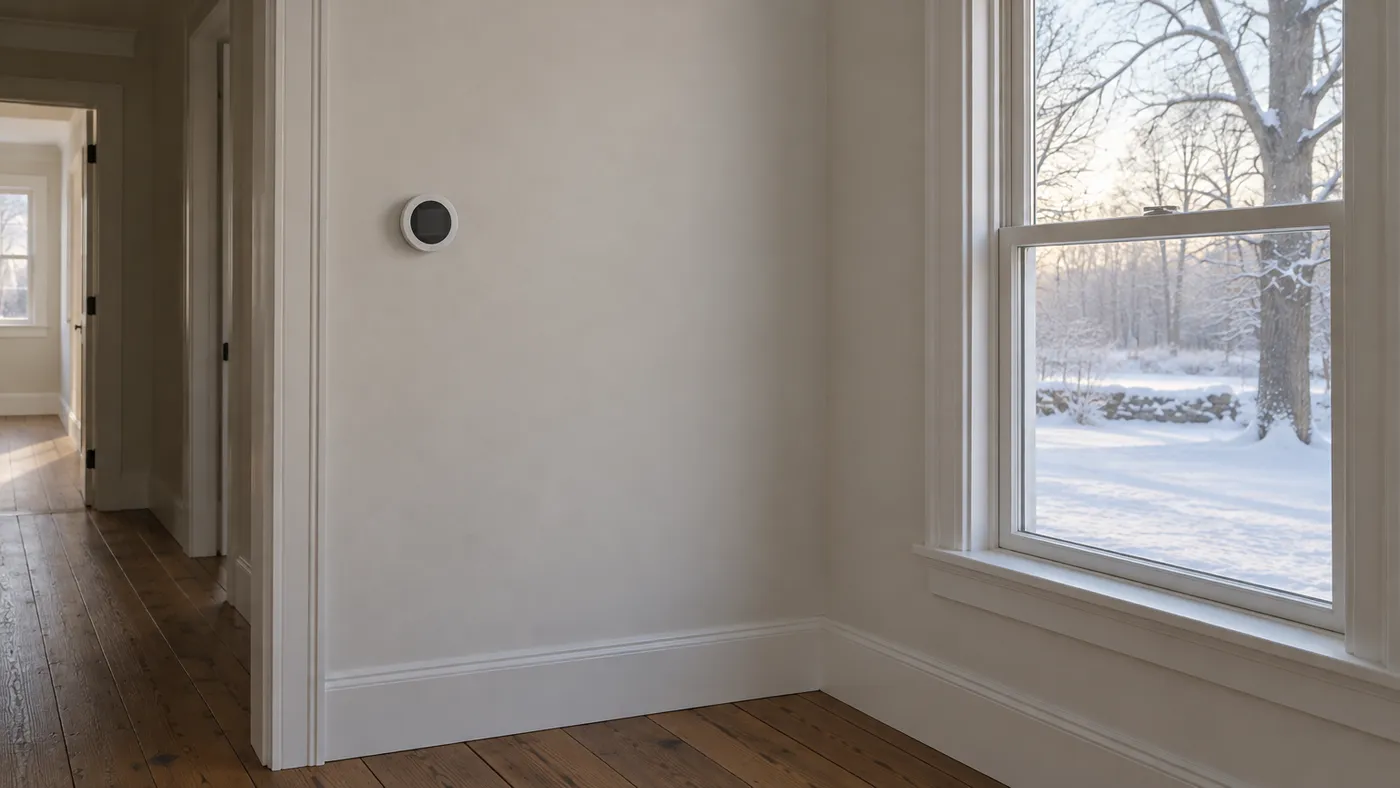 Why Is My Electric Bill So High With a Heat Pump? (MA Checklist)A higher winter electric bill after a heat pump is partly normal. What is not, six checks you can do yourself, and how to get the Massachusetts heat pump rate.
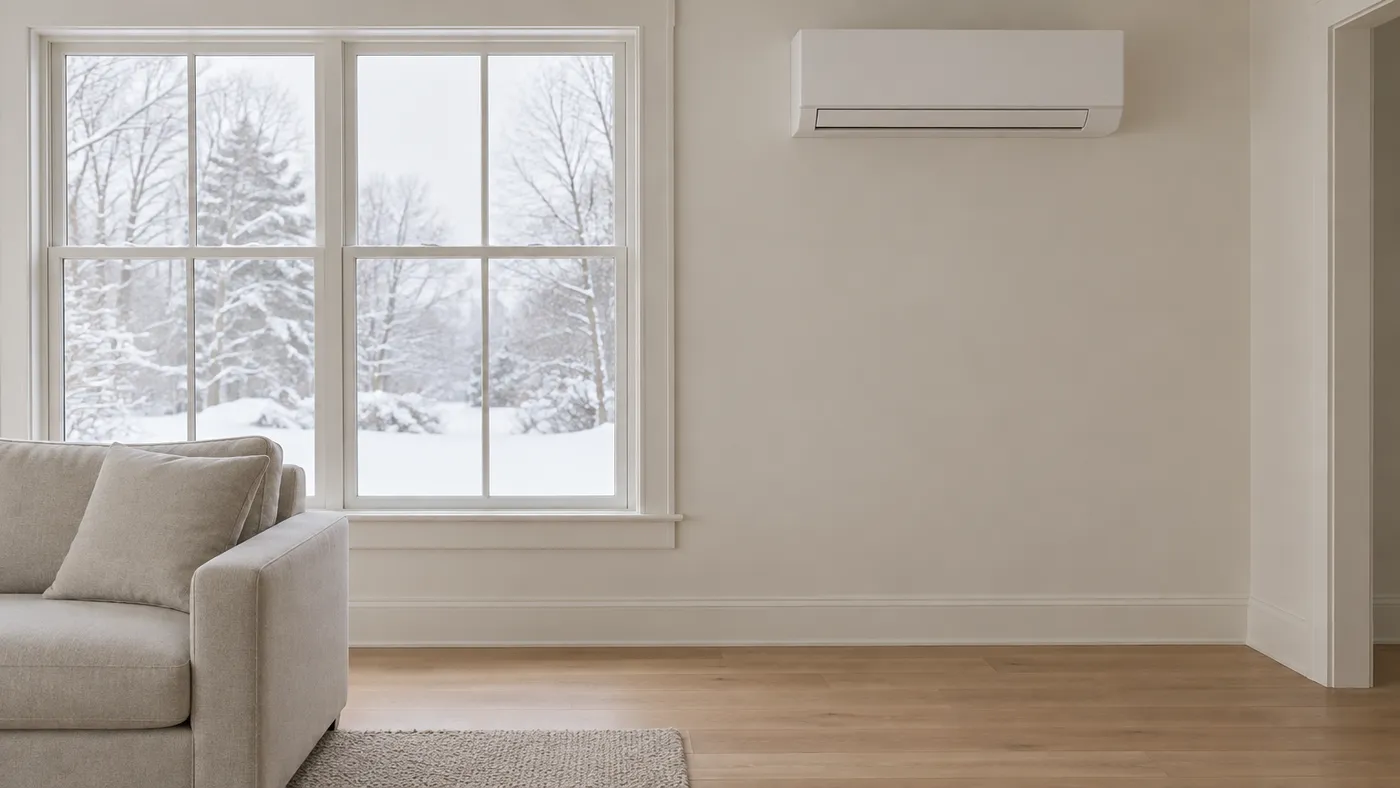 Do Mini-Splits Work in Cold Weather? A Massachusetts Winter GuideCan a mini-split heat a Massachusetts home in January? What a cold-climate rating means, how to size one for heat, and when to keep backup heat.
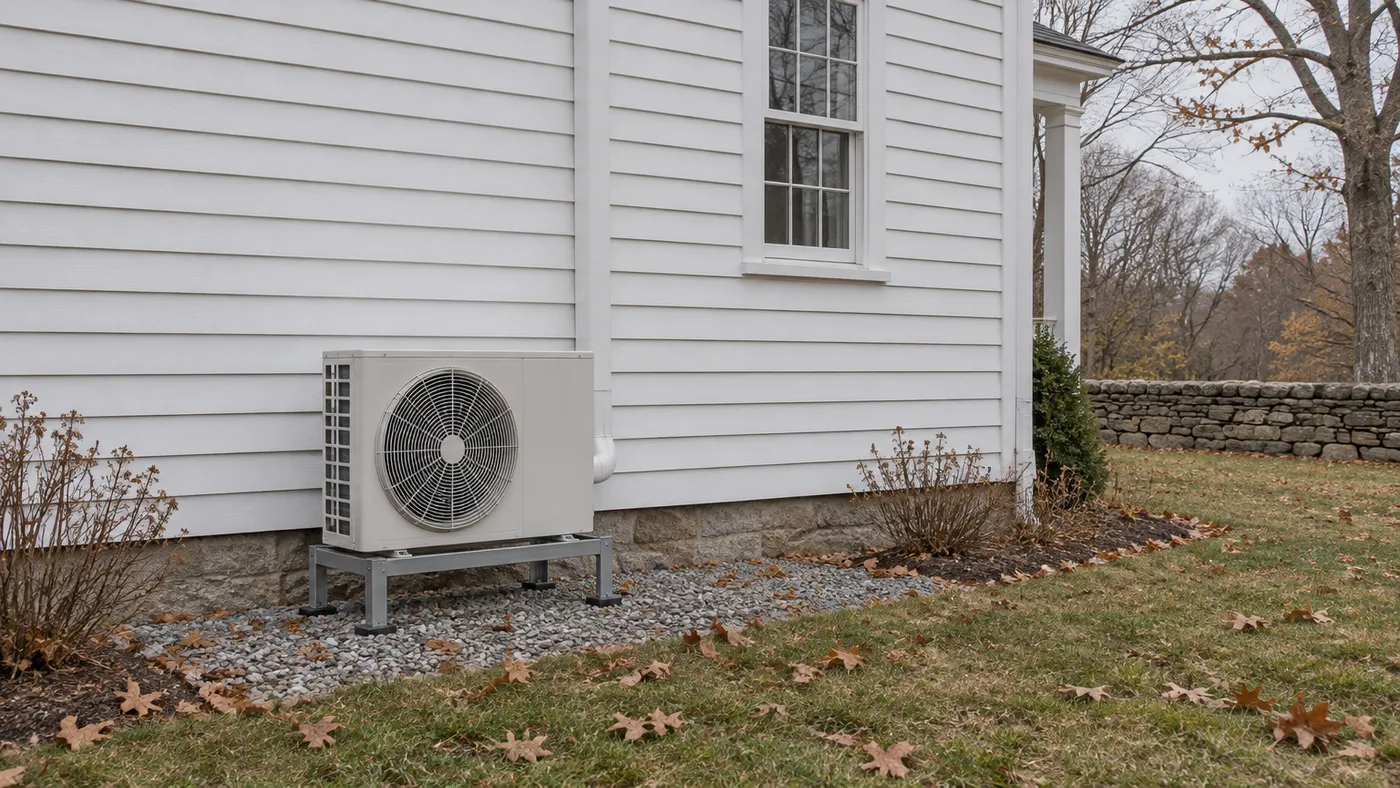 Are Heat Pumps Worth It in Massachusetts? The North Shore MathOil at $6 a gallon changes the math. What heat costs from a heat pump against oil, propane and gas, and the 2026 rebates by North Shore town.